

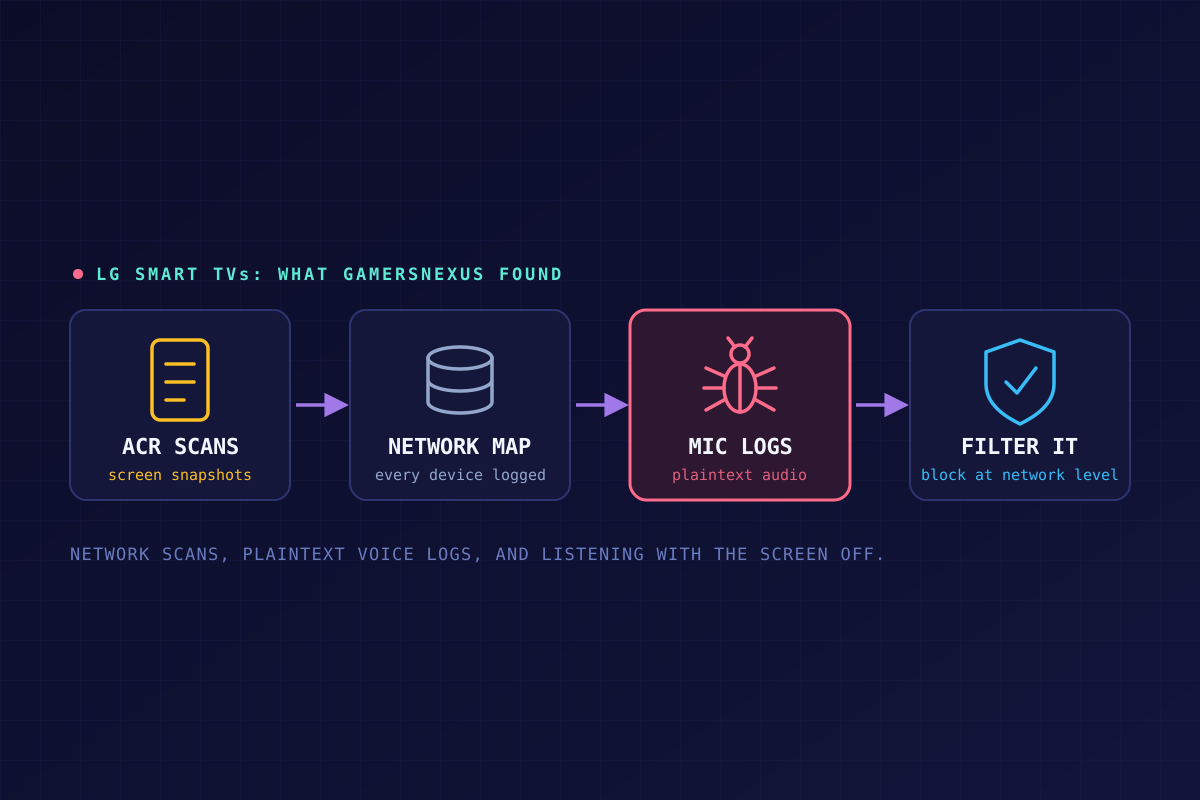
Your Smart TV Is Watching You Back
Recap of GamersNexus's LG smart TV investigation — network scanning, plaintext voice logs, and remote exploits — and why network-level filtering matters more than browser privacy settings.
Articles, write-ups, and musings concerning the world of cybersecurity and technology.
Recap of GamersNexus's LG smart TV investigation — network scanning, plaintext voice logs, and remote exploits — and why network-level filtering matters more than browser privacy settings.
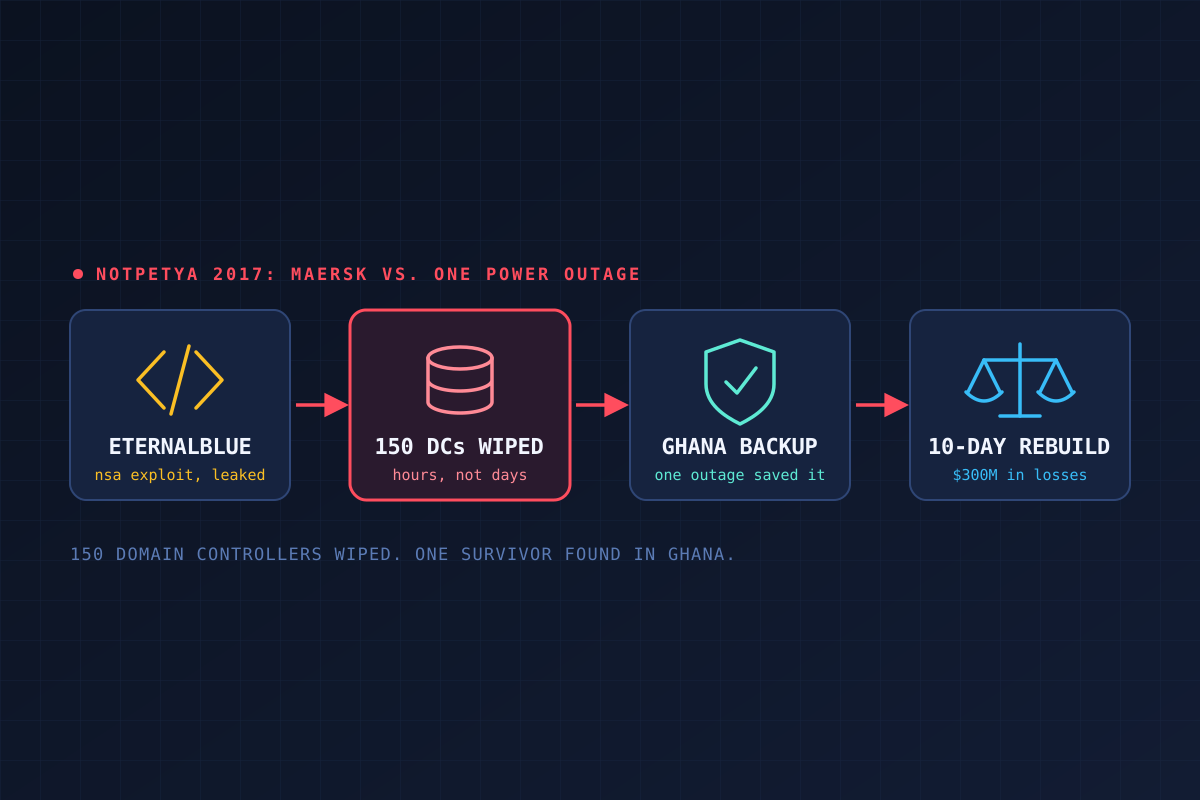
How the 2017 NotPetya ransomware attack crippled Maersk's global shipping operations, and the real story of the domain controller recovery that saved the company's network.
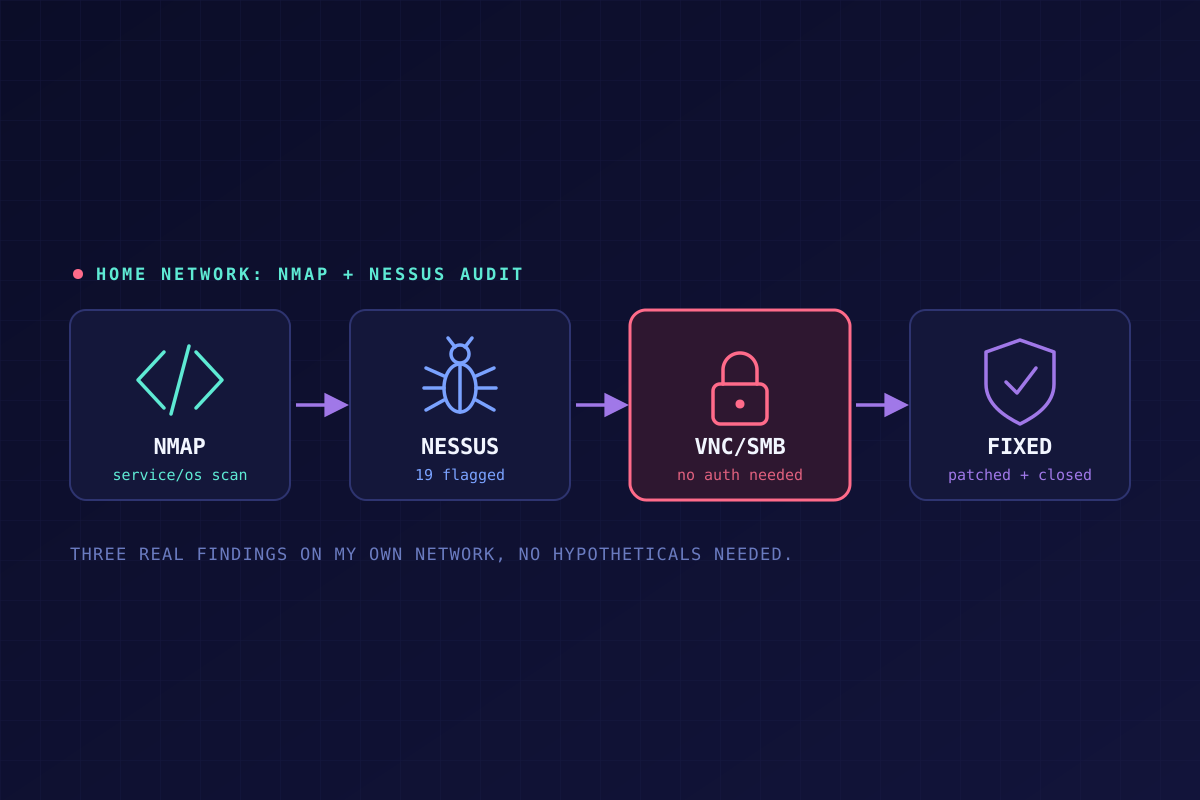
A hands-on Nmap and Nessus vulnerability scan of a real home network, covering an outdated Node.js build, an open VNC service, and unauthenticated SMB shares.
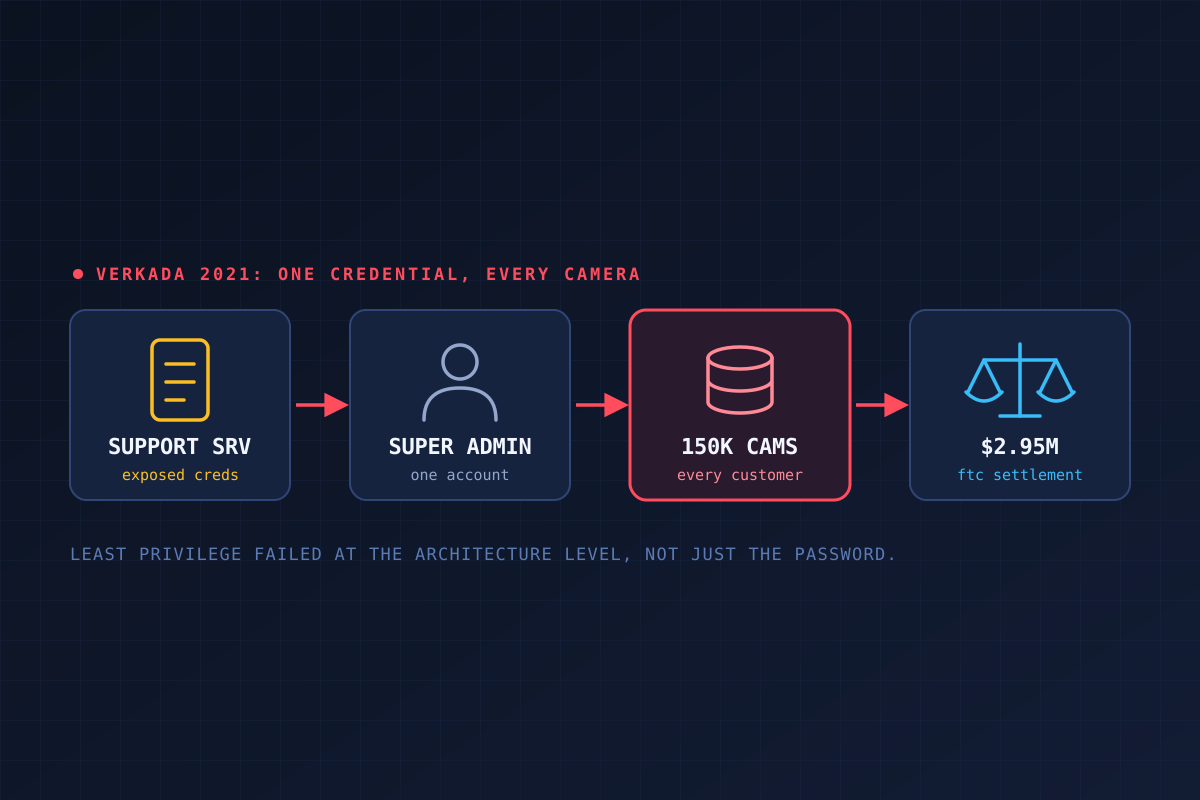
How one exposed admin credential at Verkada led to a 2021 camera-feed breach, the real story behind the 2024 FTC fine, and what proper least-privilege design would have stopped.
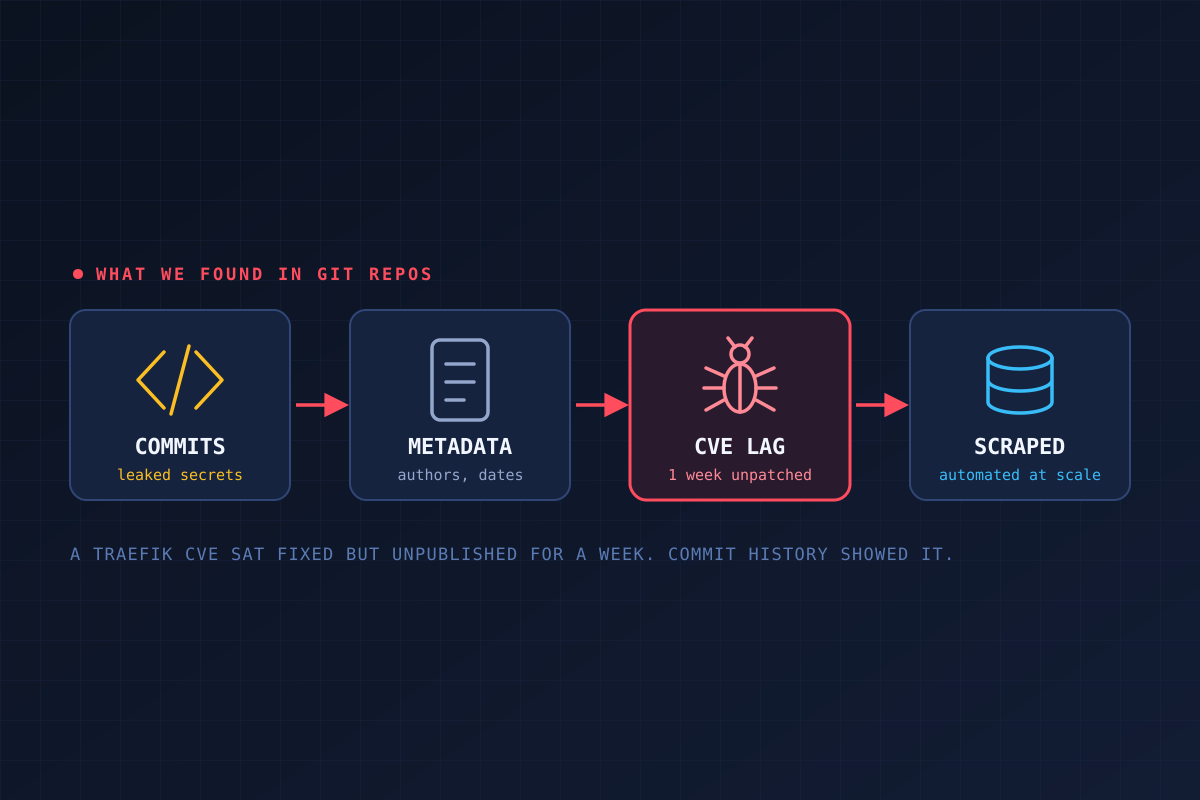
Recap of Marta Rybczynska's Open Source Summit talk on data leaked in public Git repos, including a real Traefik CVE disclosure-lag case and what it means for vulnerability scanning.
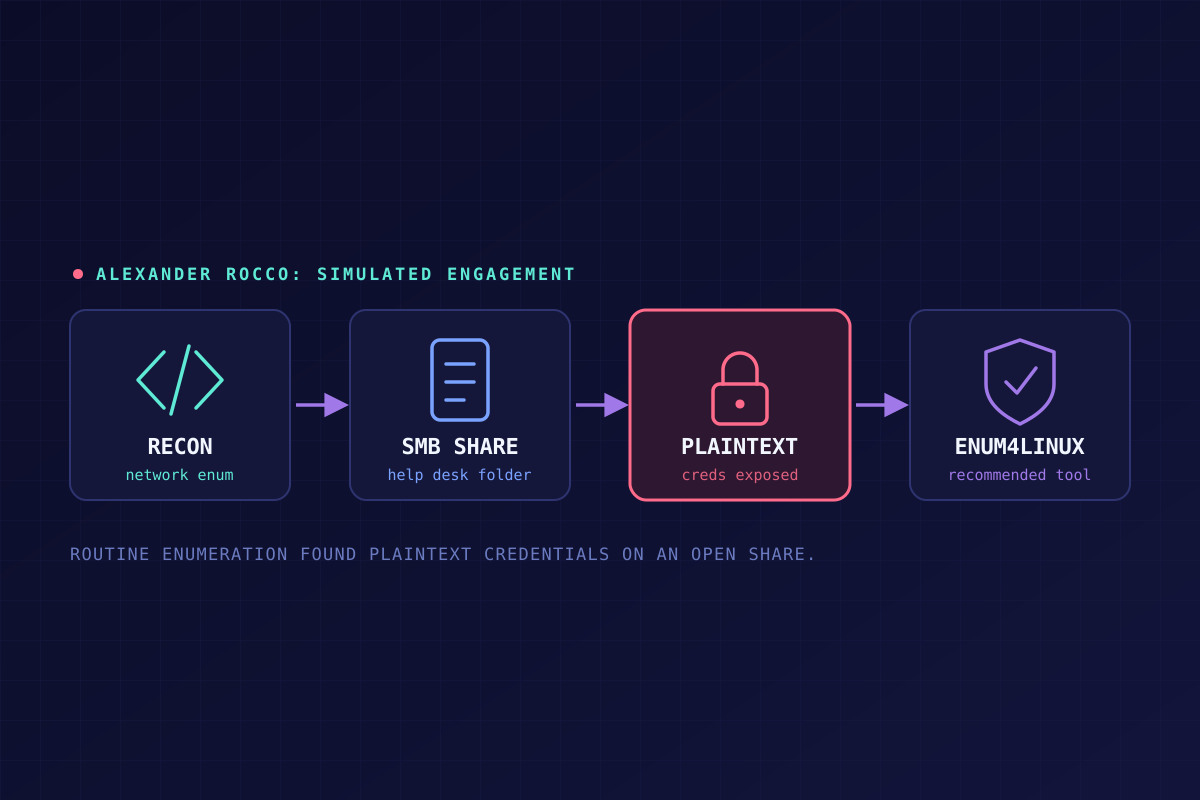
Routine network enumeration turned up a shared folder full of plaintext employee passwords. Here's the memo that went up the chain — and the case for the free tool used to dig further.
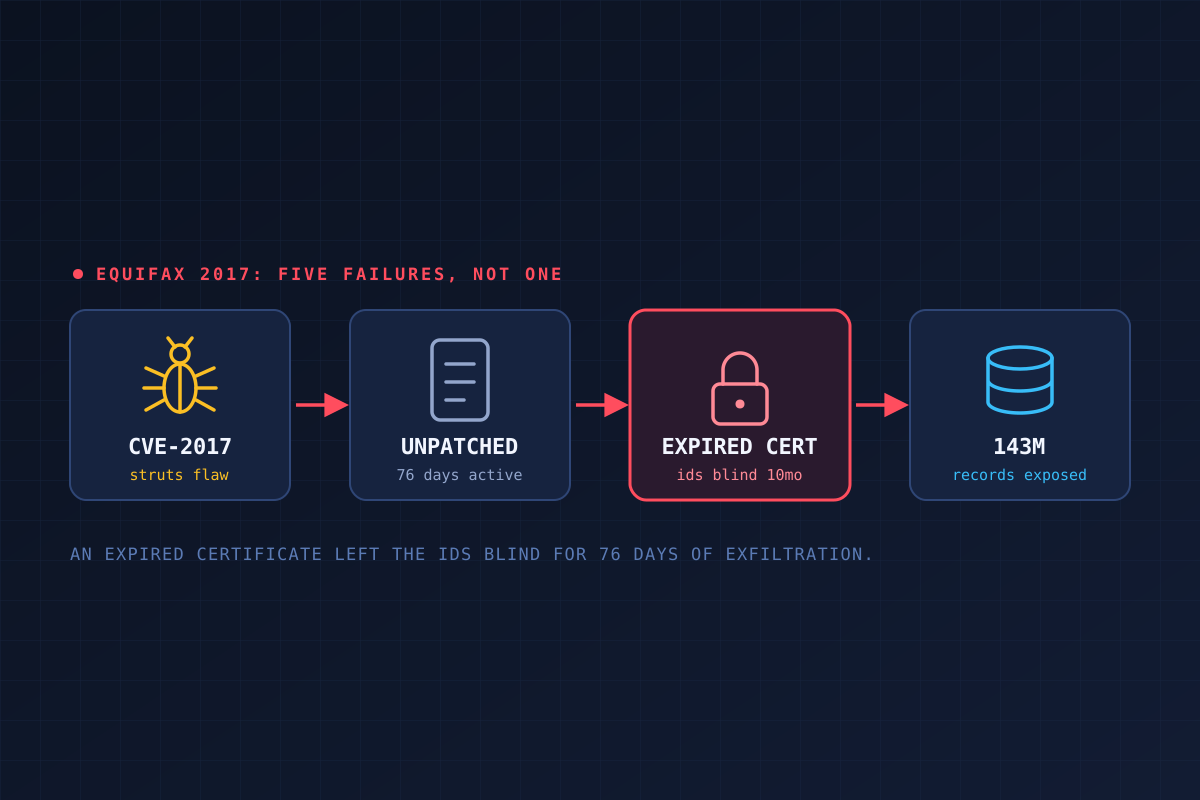
The 2017 Equifax breach exposed 143 million Americans' data — not because of one sophisticated attack, but because five ordinary controls quietly failed at once.
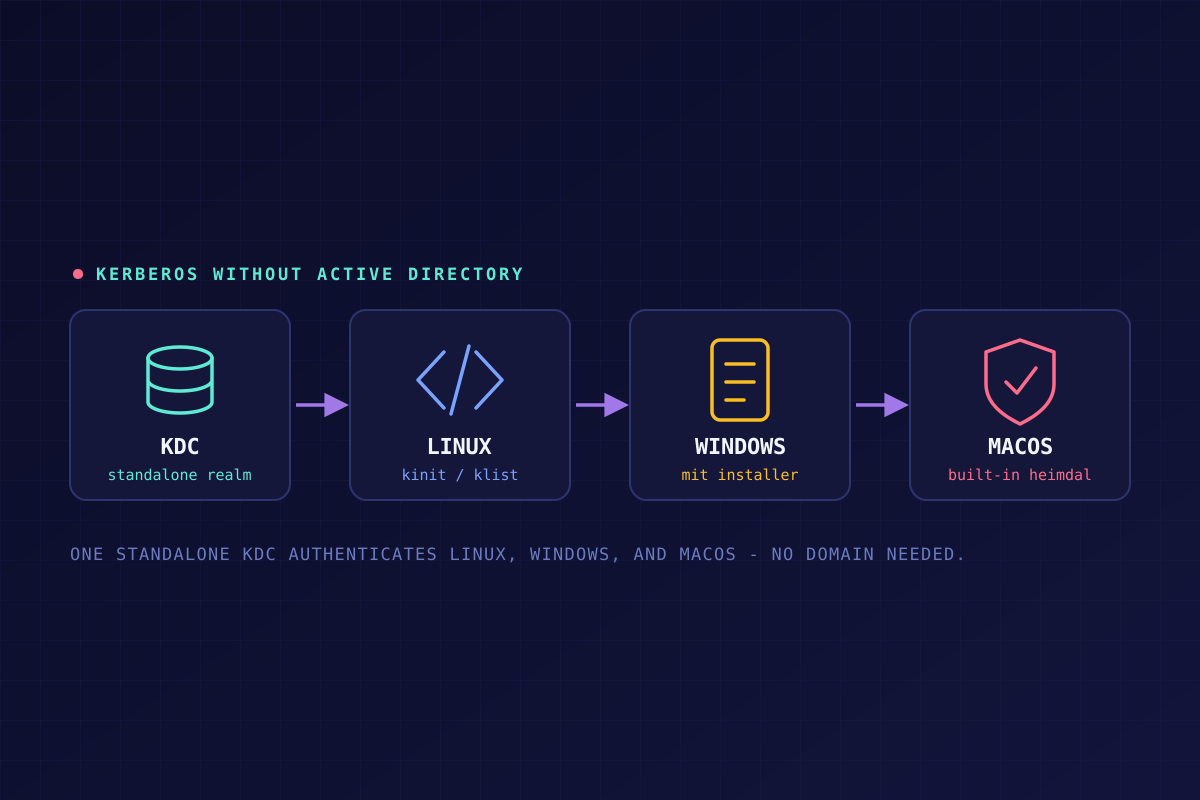
Told to roll out Kerberos with no Active Directory in sight? Here's the standalone-KDC path — what Linux, Windows, and macOS each actually need, and the one platform that needs nothing at all.
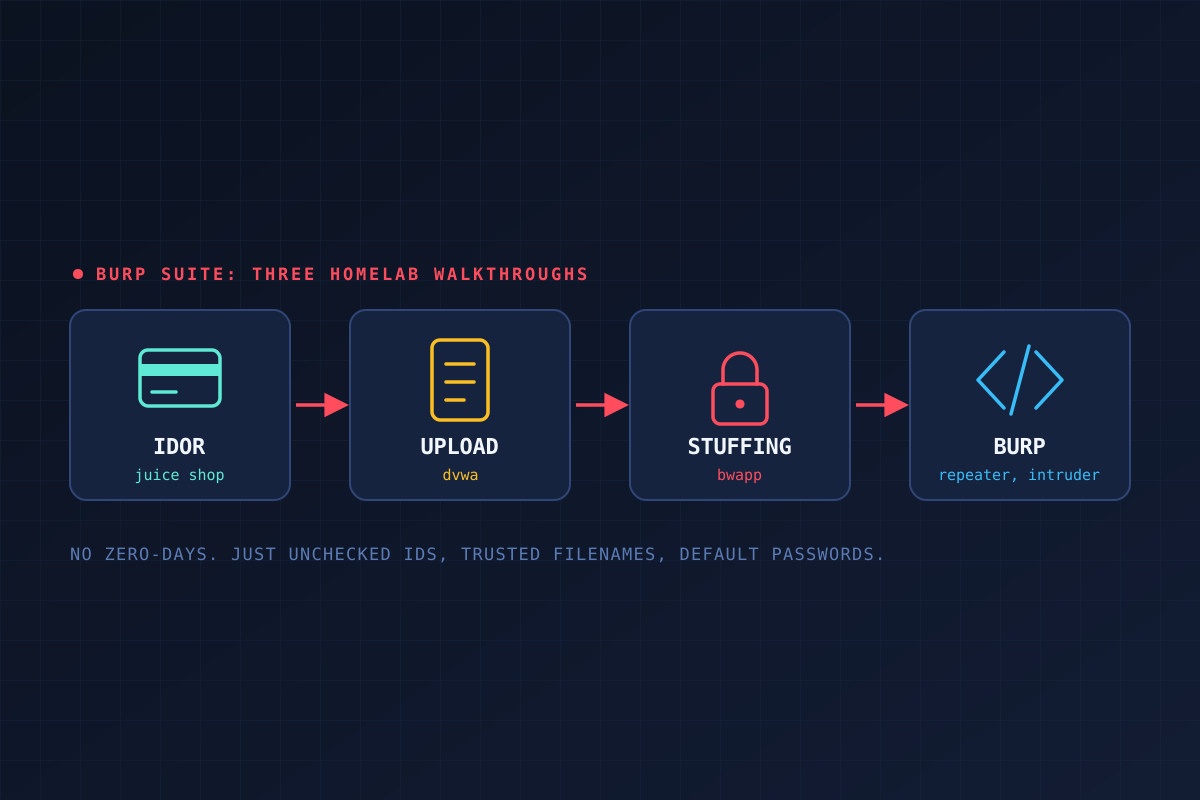
Three OWASP Top 10 vulnerability classes, walked through with Burp Suite against DVWA, Juice Shop, and bWAPP in a homelab: an IDOR, an insecure file upload, and credential stuffing.
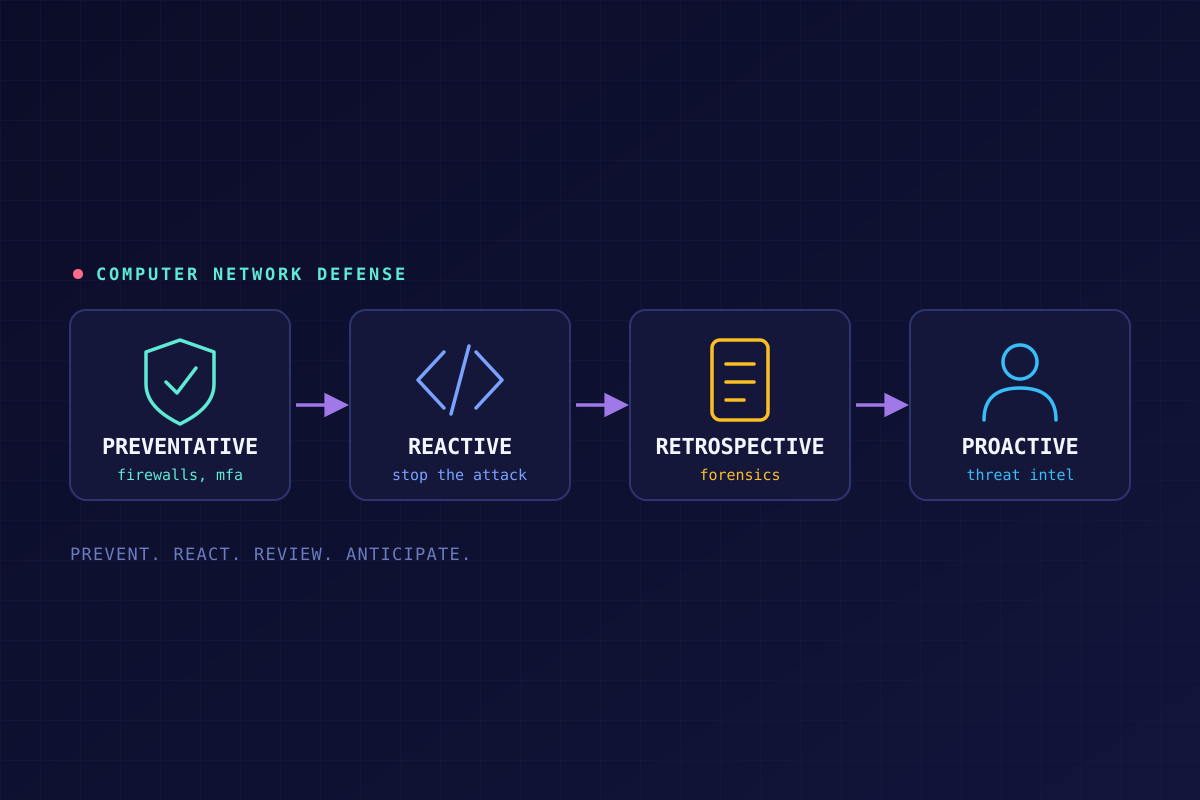
CND sounds like a DoD acronym because it is one. A quick look at where the term came from, the NIST definition behind it, and the four-part structure — prevent, react, review, anticipate — worth using