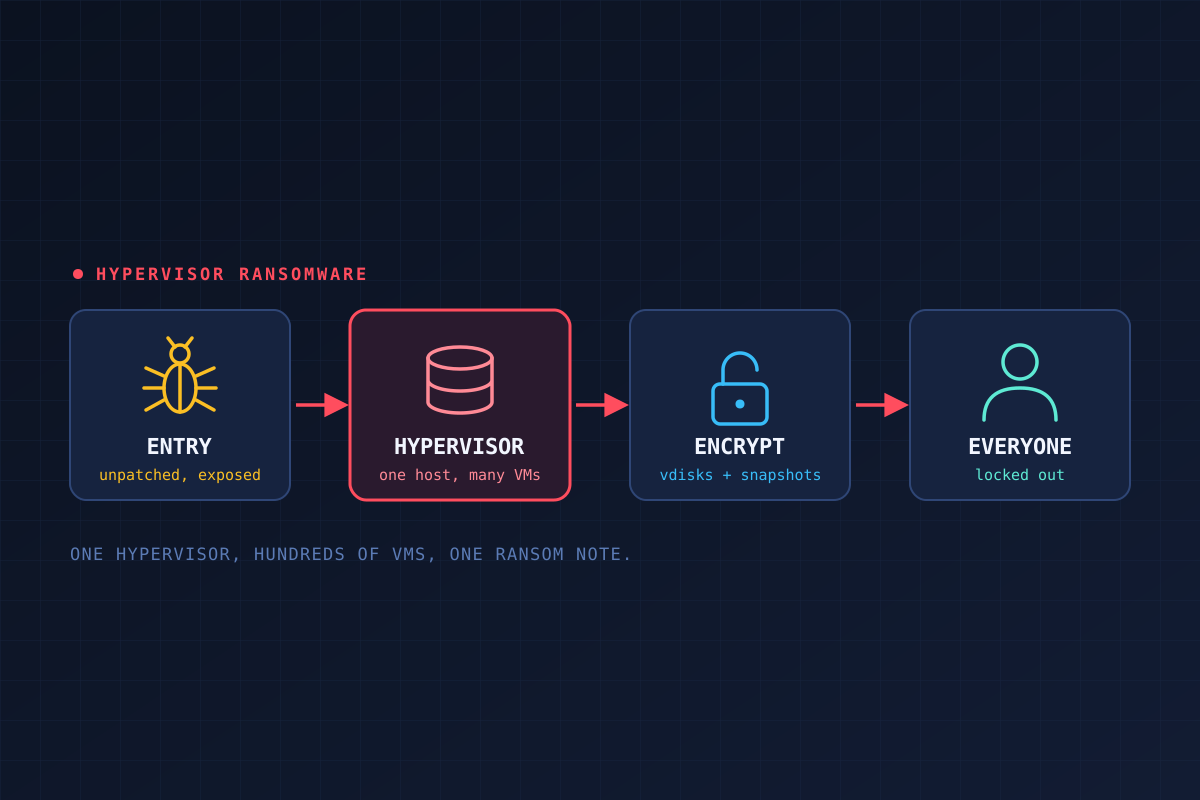
Ransomware isn't just after file servers anymore. Why attackers target VMware ESXi, what gets encrypted, how the encryption works, and two real campaigns that hit hundreds or thousands of hosts.
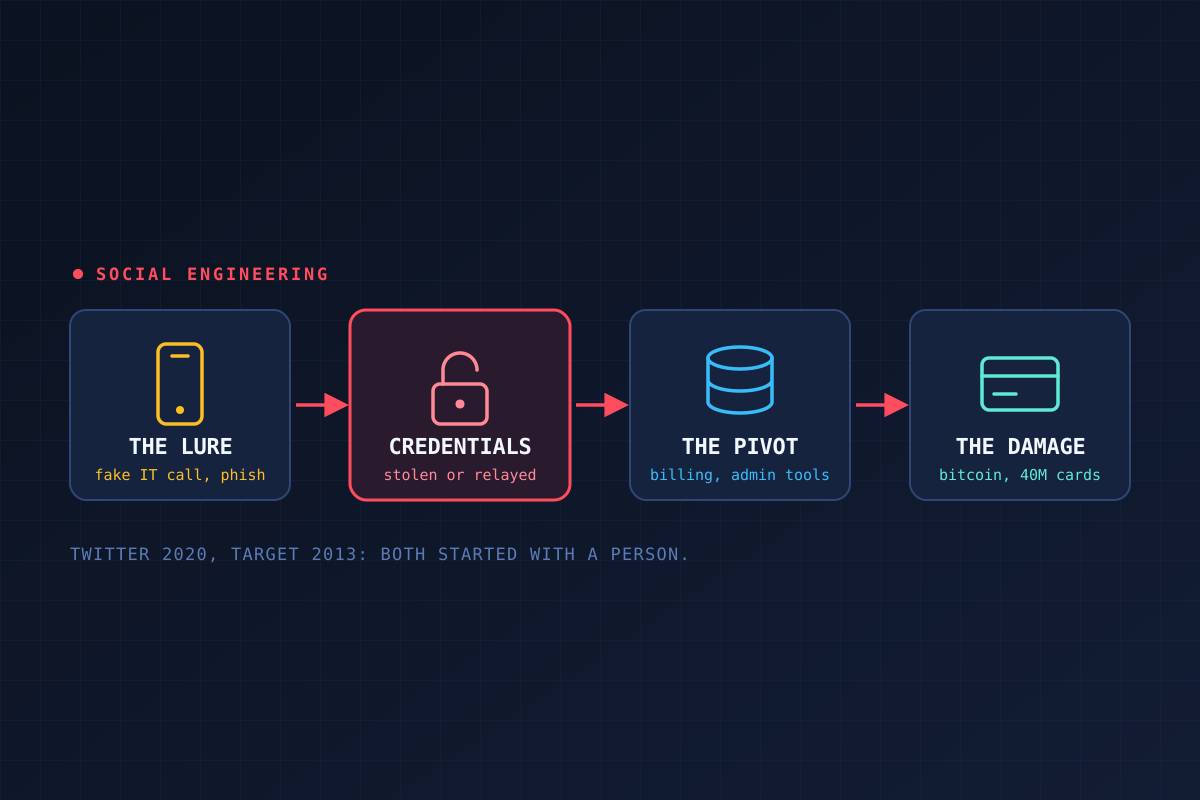
Twitter 2020 and Target 2013 both started with a person, not a zero-day: a phone call from fake IT, and a phished HVAC vendor. What the two breaches show about why social engineering works.
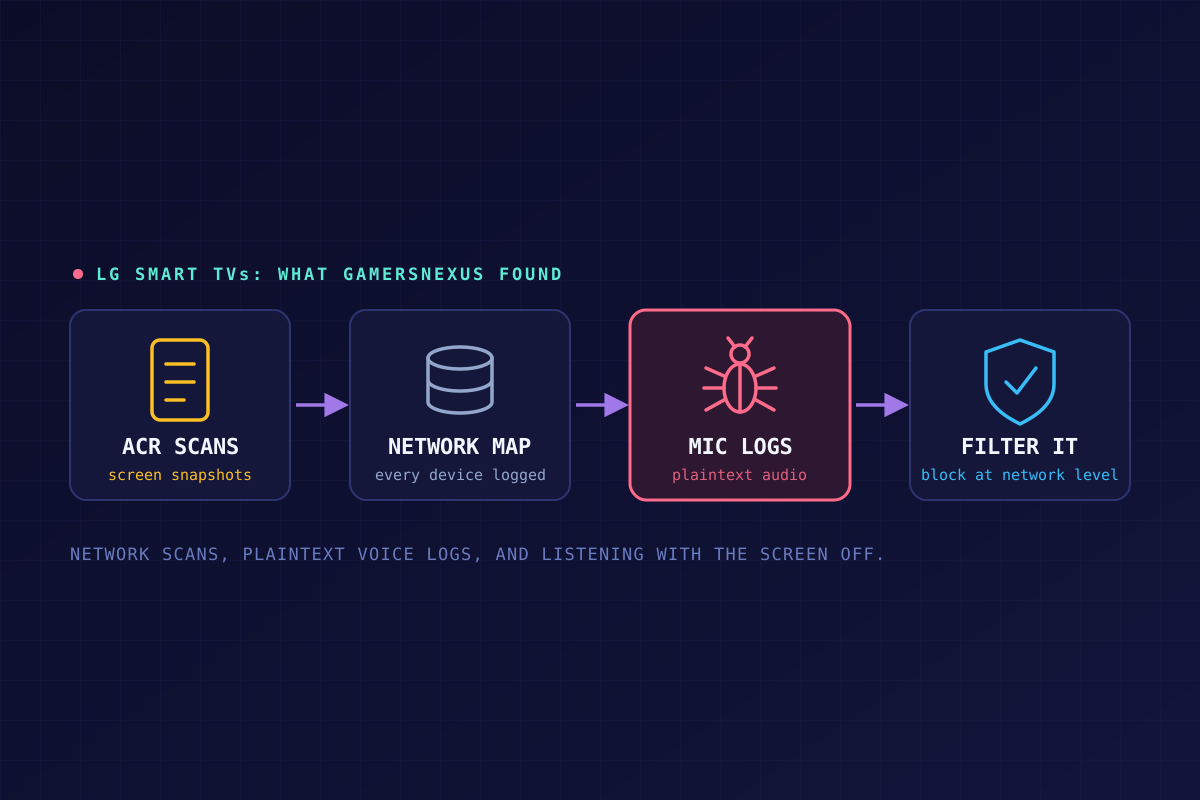
Recap of GamersNexus's LG smart TV investigation — network scanning, plaintext voice logs, and remote exploits — and why network-level filtering matters more than browser privacy settings.
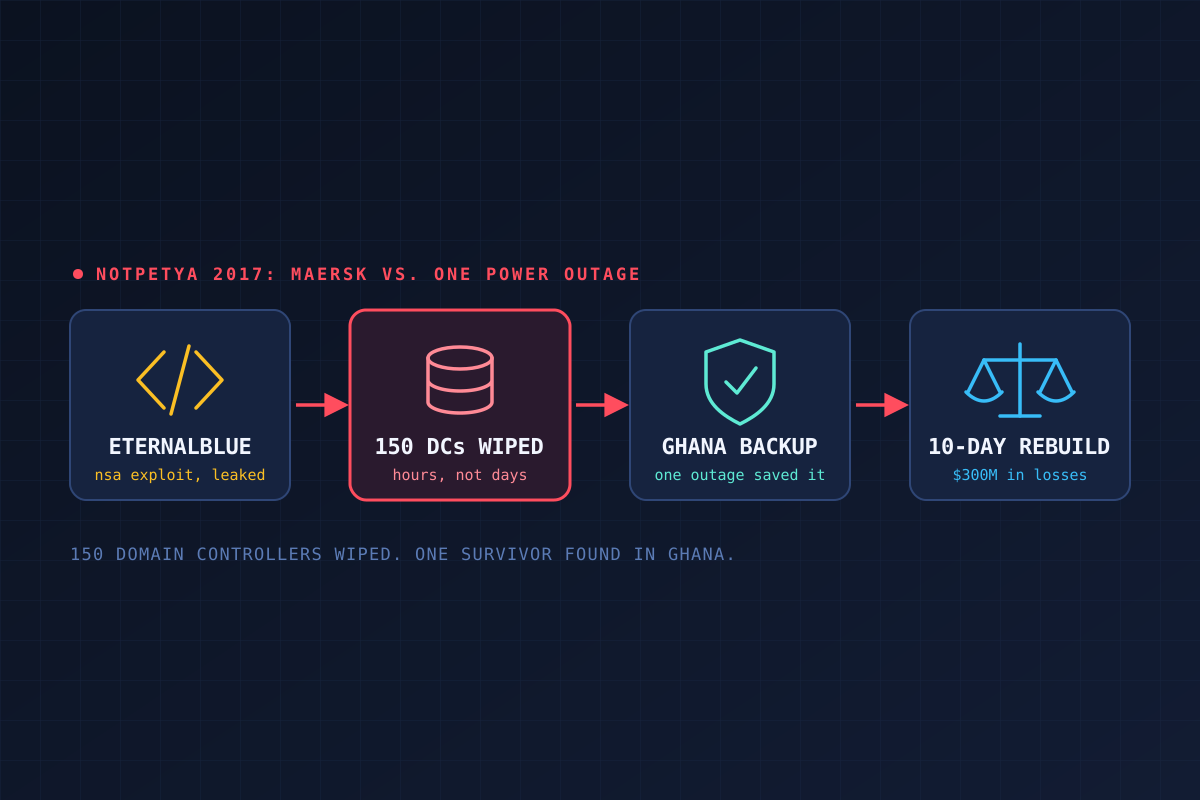
How the 2017 NotPetya ransomware attack crippled Maersk's global shipping operations, and the real story of the domain controller recovery that saved the company's network.
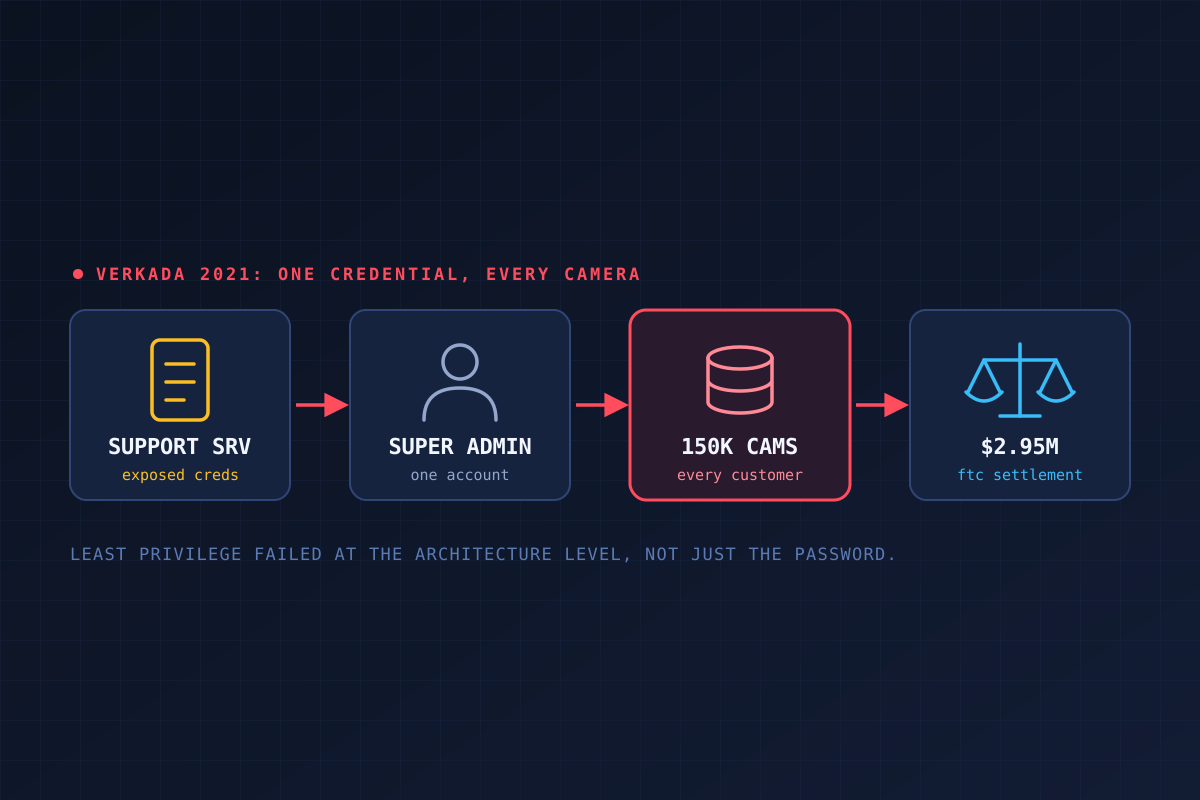
How one exposed admin credential at Verkada led to a 2021 camera-feed breach, the real story behind the 2024 FTC fine, and what proper least-privilege design would have stopped.
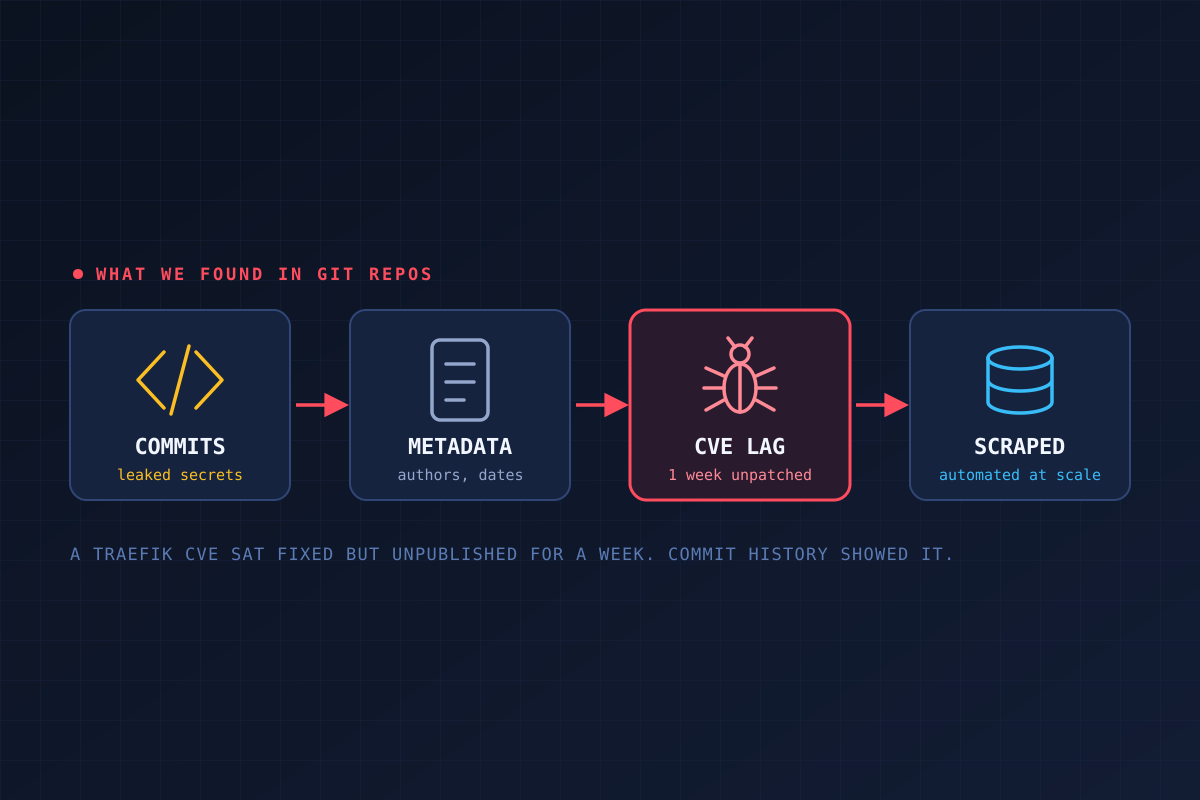
Recap of Marta Rybczynska's Open Source Summit talk on data leaked in public Git repos, including a real Traefik CVE disclosure-lag case and what it means for vulnerability scanning.
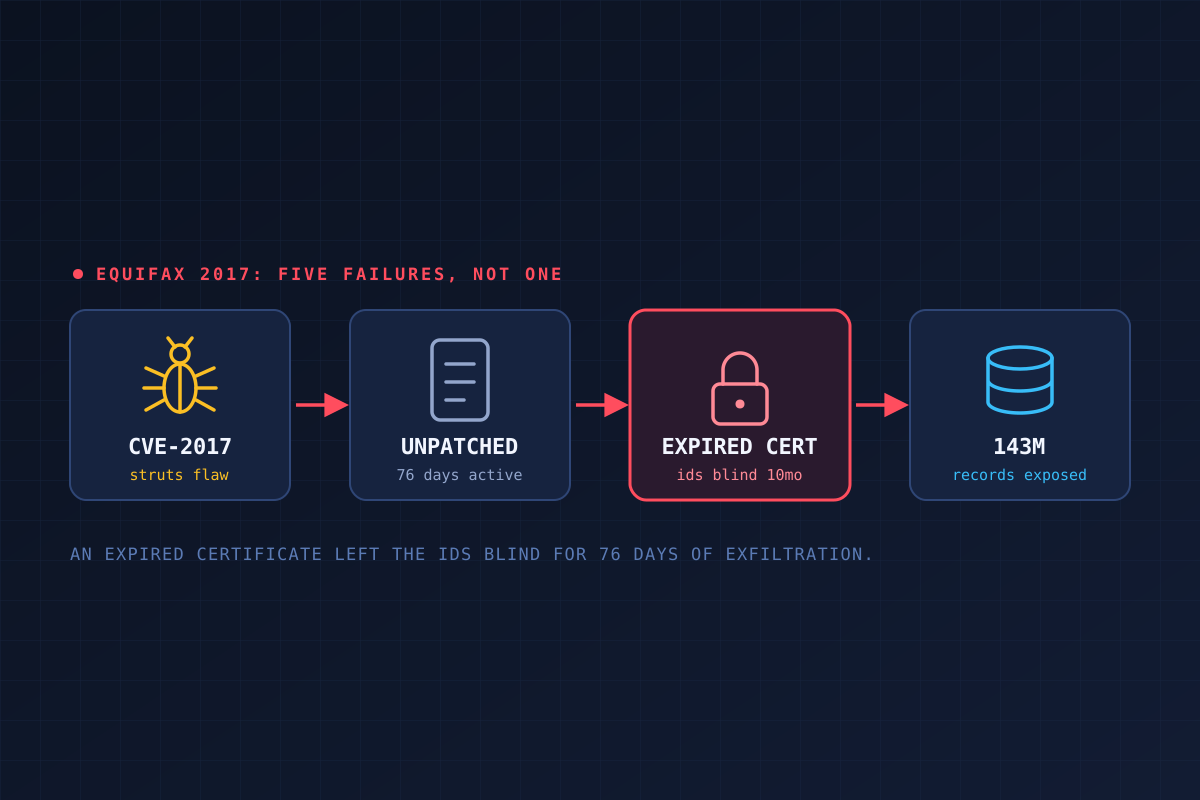
The 2017 Equifax breach exposed 143 million Americans' data — not because of one sophisticated attack, but because five ordinary controls quietly failed at once.
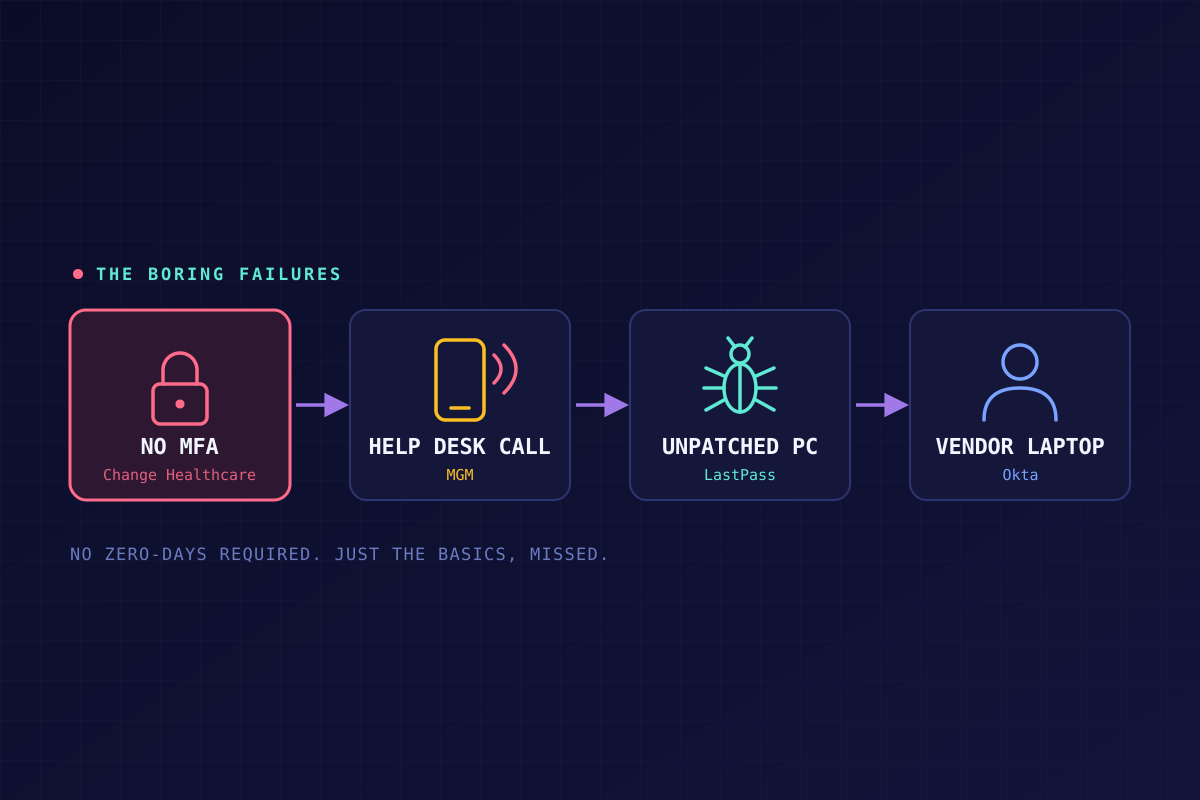
A missing MFA prompt, a help desk call, an unpatched home PC, a vendor's laptop. Four of five major breaches needed no clever exploit. Here's what Change Healthcare, MGM, LastPass, and Okta teach us.
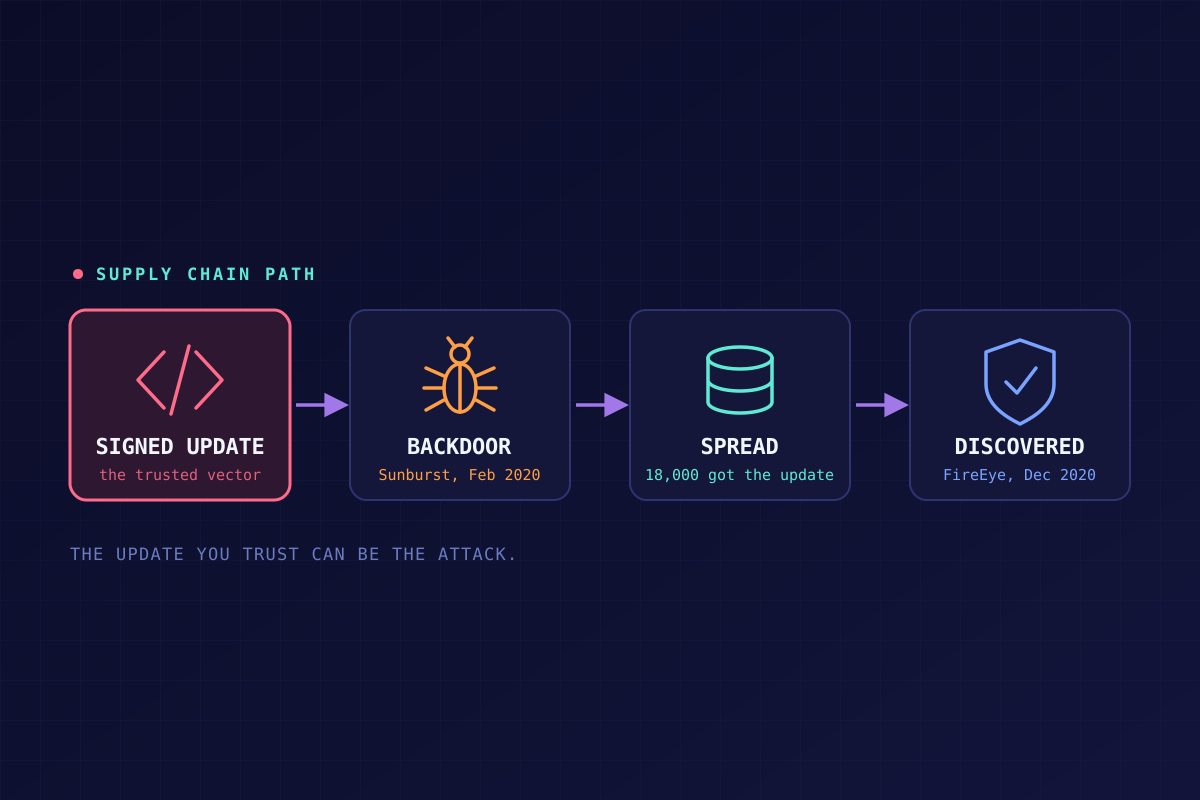
In December 2020, SolarWinds revealed one of history's largest security breaches. Hackers had spent months inserting malicious code into the company's software updates, which were digitally signed and trusted by nearly 18,000 customers including U.S. government agencies.
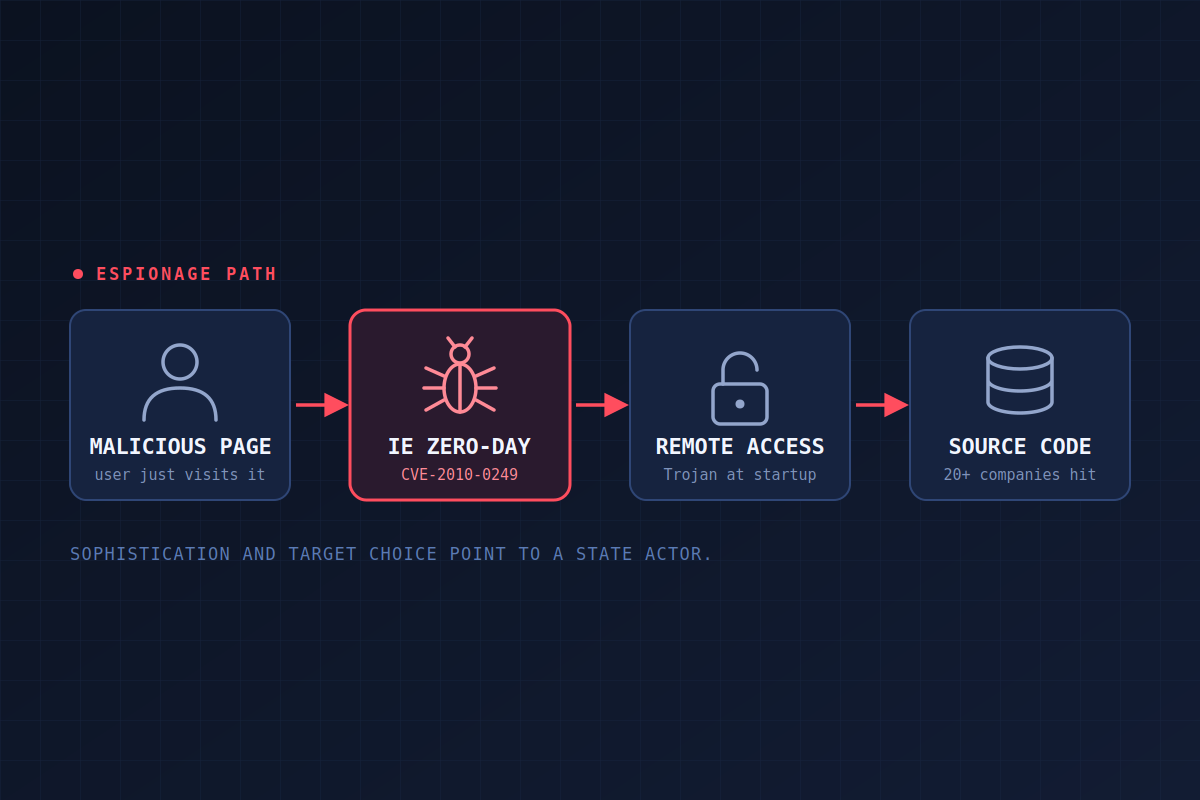
Two very different cyberattacks share the label of cyber espionage, but how an intruder gets in tells only half the story. The real proof of state involvement sits in the targets they choose and what they do once they are inside.