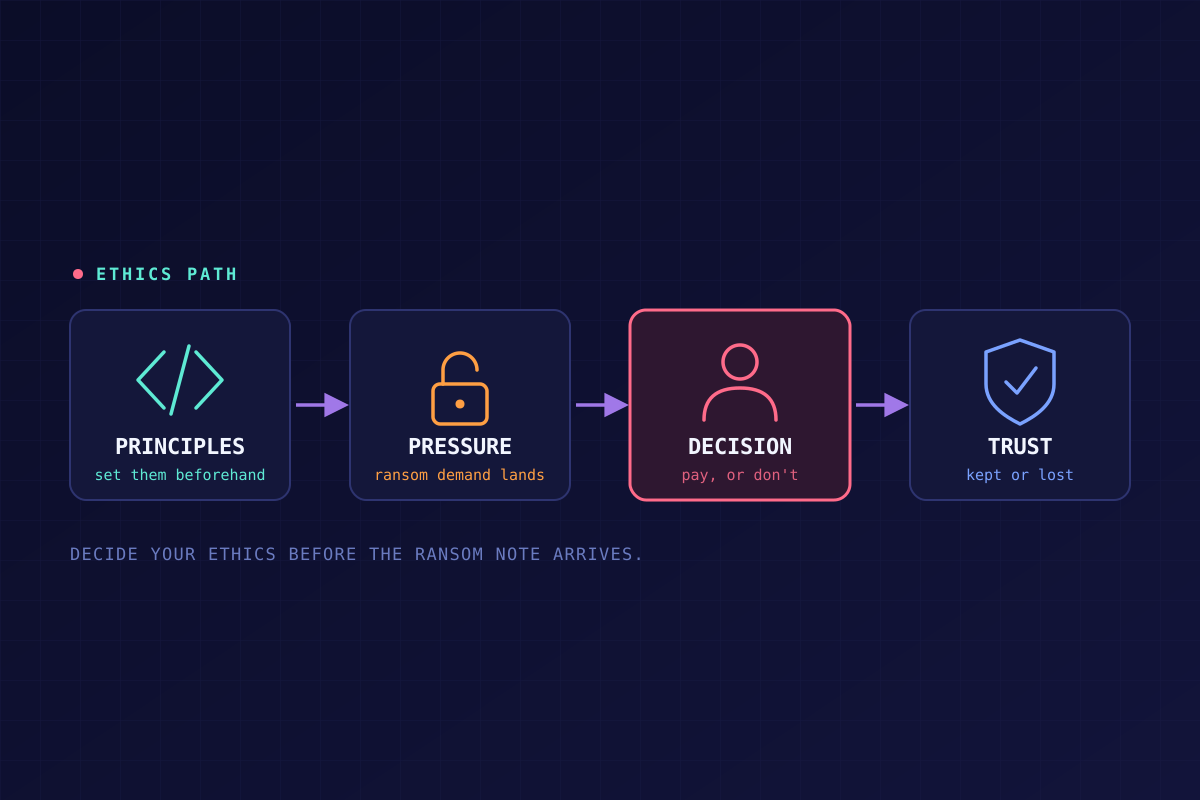
Cybersecurity professionals face constant ethical decisions, from protecting critical information to navigating complex questions like ransomware payments. The real challenge isn't knowing what's right: it's being prepared to act ethically when circumstances make the answer far from simple.
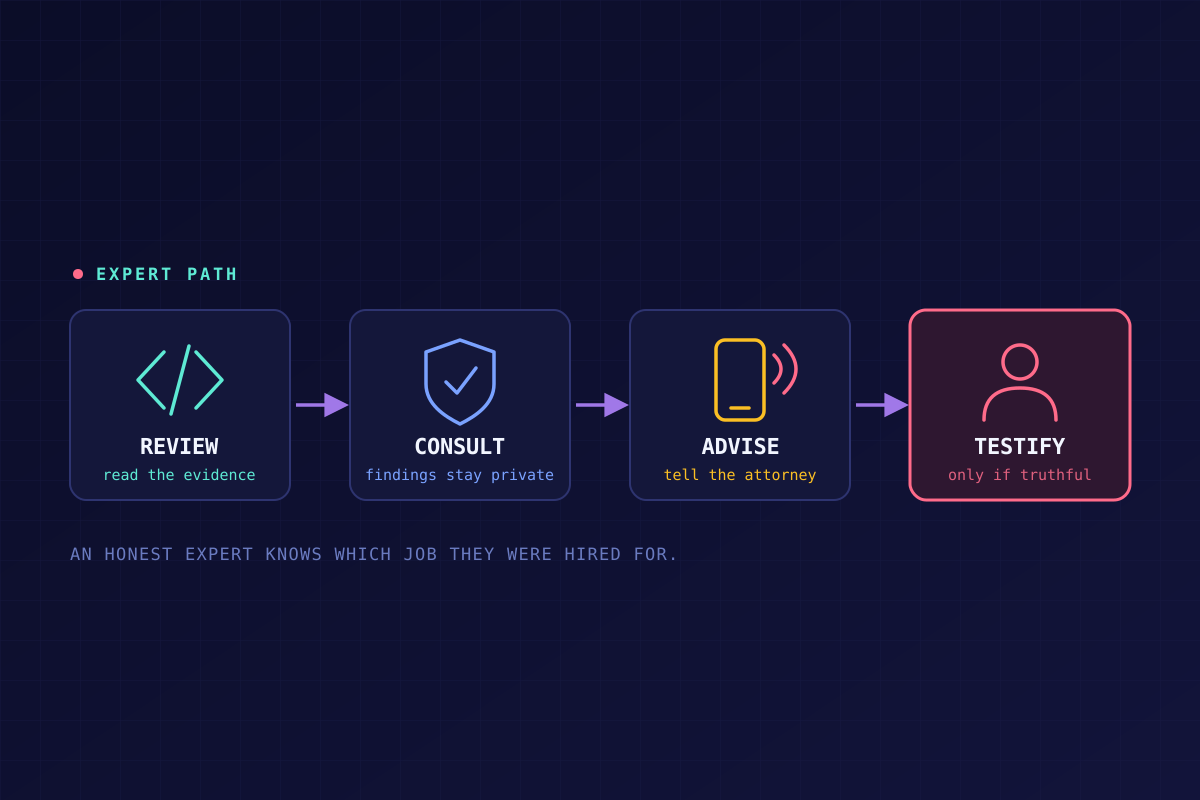
A defense attorney asks a forensic analyst to review phone evidence in a murder case. The analyst finds the state's interpretation of guilt appears correct, creating an ethical dilemma about whether to testify honestly or advocate for the defense.
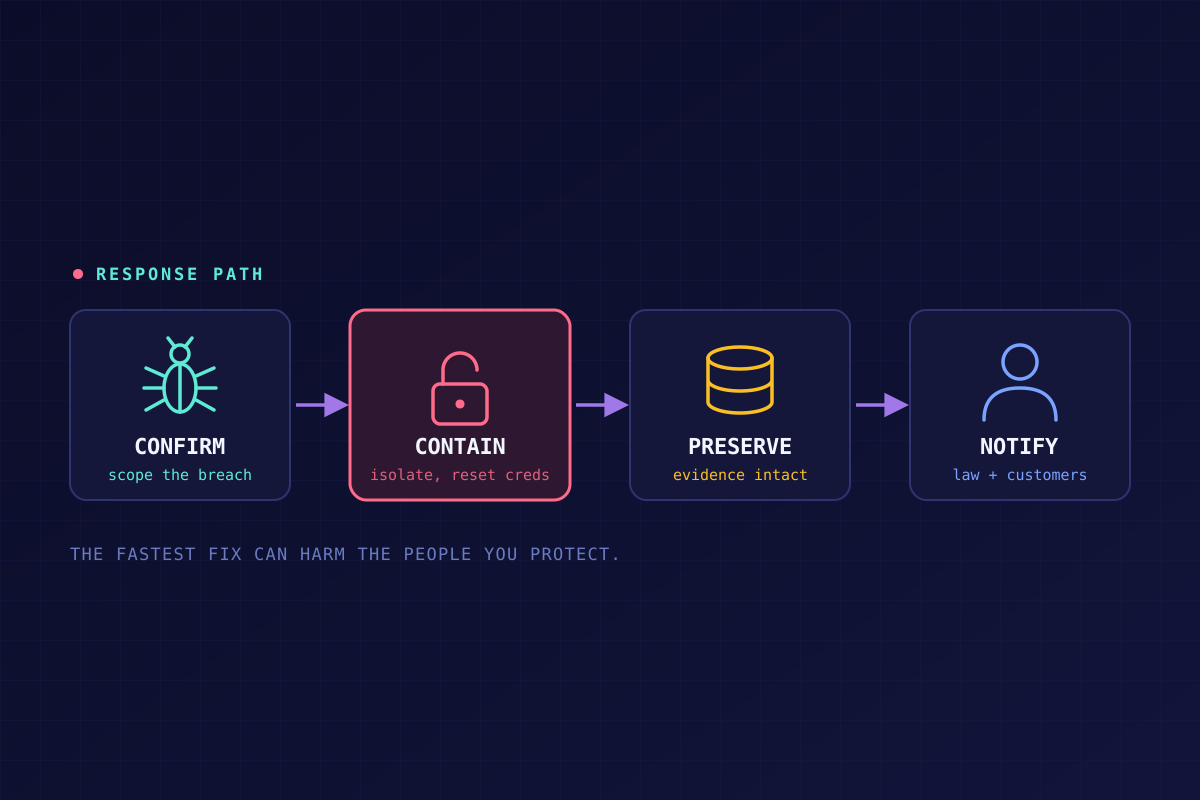
When a breach forces you to choose between stopping attackers fast and protecting the people harmed by the attack, those choices matter more than you think. Ethics isn't a separate step in incident response: it lives inside every technical decision you make.
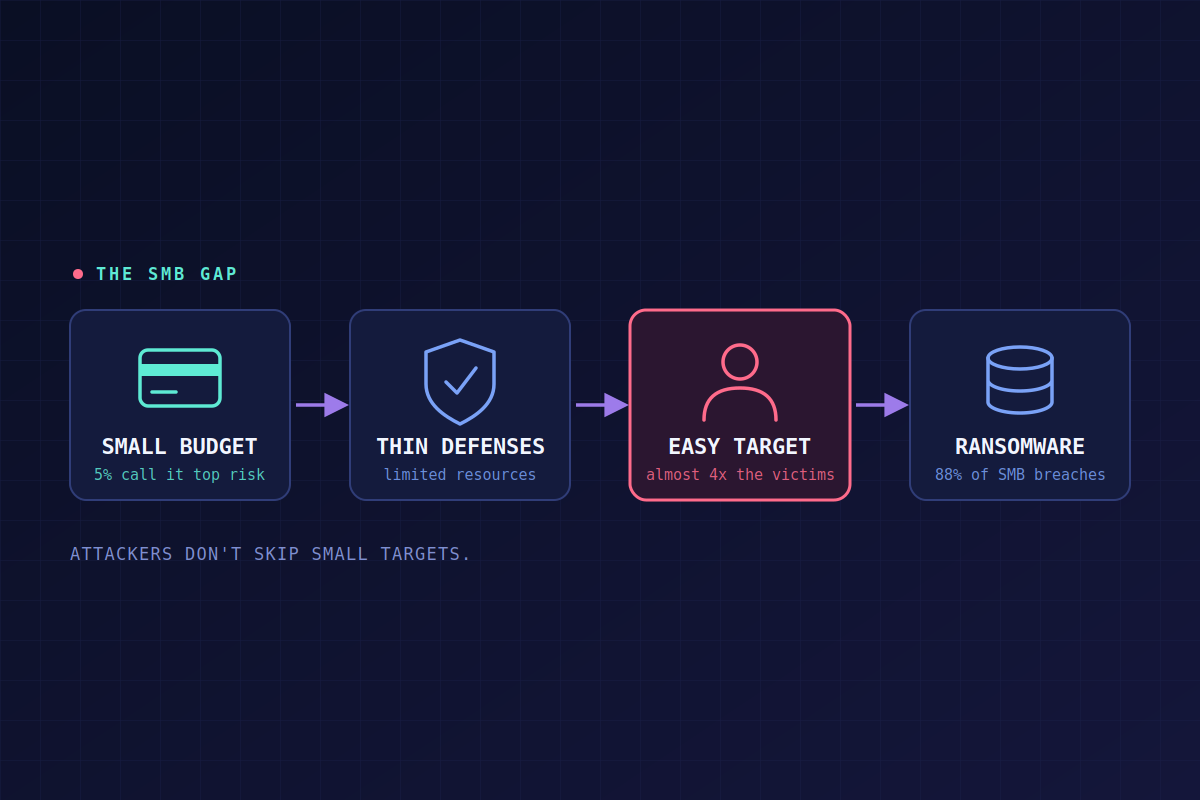
JPMorgan Chase spends roughly $600 million a year on cybersecurity. Meanwhile, just 5% of small business owners surveyed in 2022 called it their biggest risk. The information for this post was gathered and sourced in 2024 when most of the content was written. Though the...
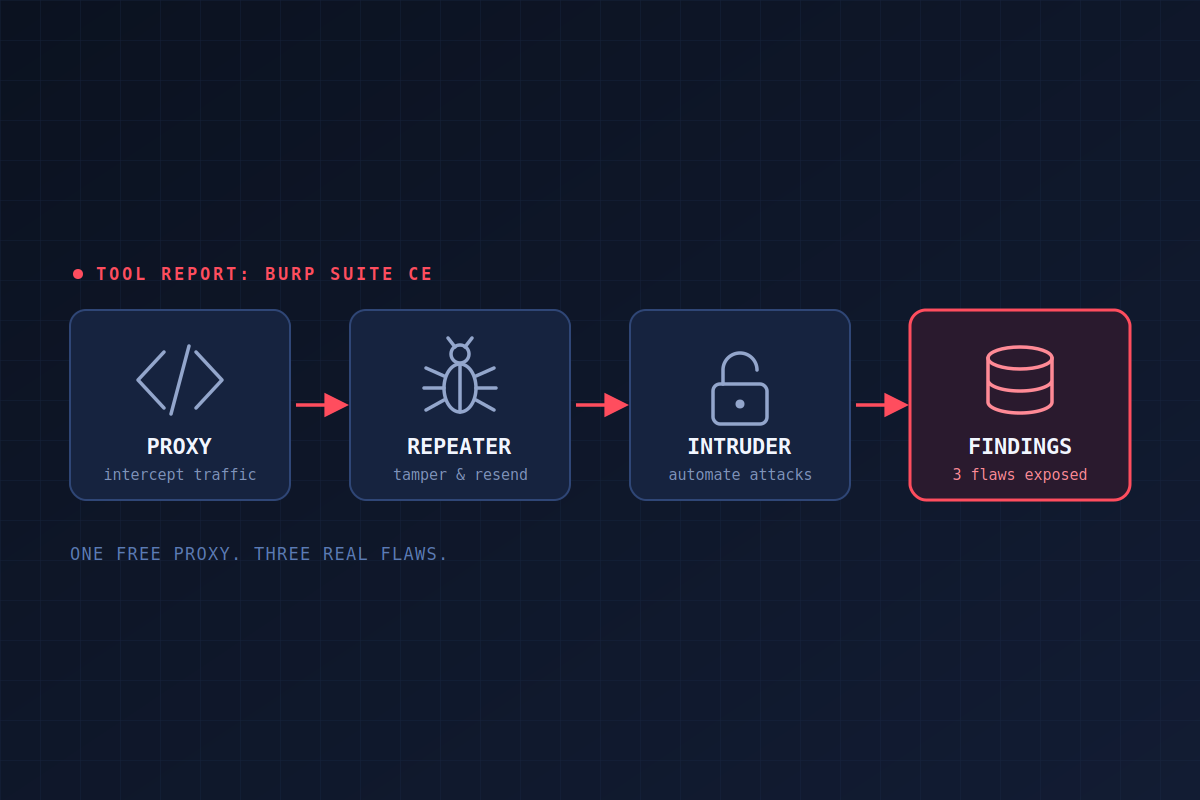
Three intentionally vulnerable apps, three classic web flaws, and one free tool that found all of them. Scope note: Everything here was done in a home lab, against deliberately vulnerable applications I run myself. Only test systems you own or have explicit written permission...
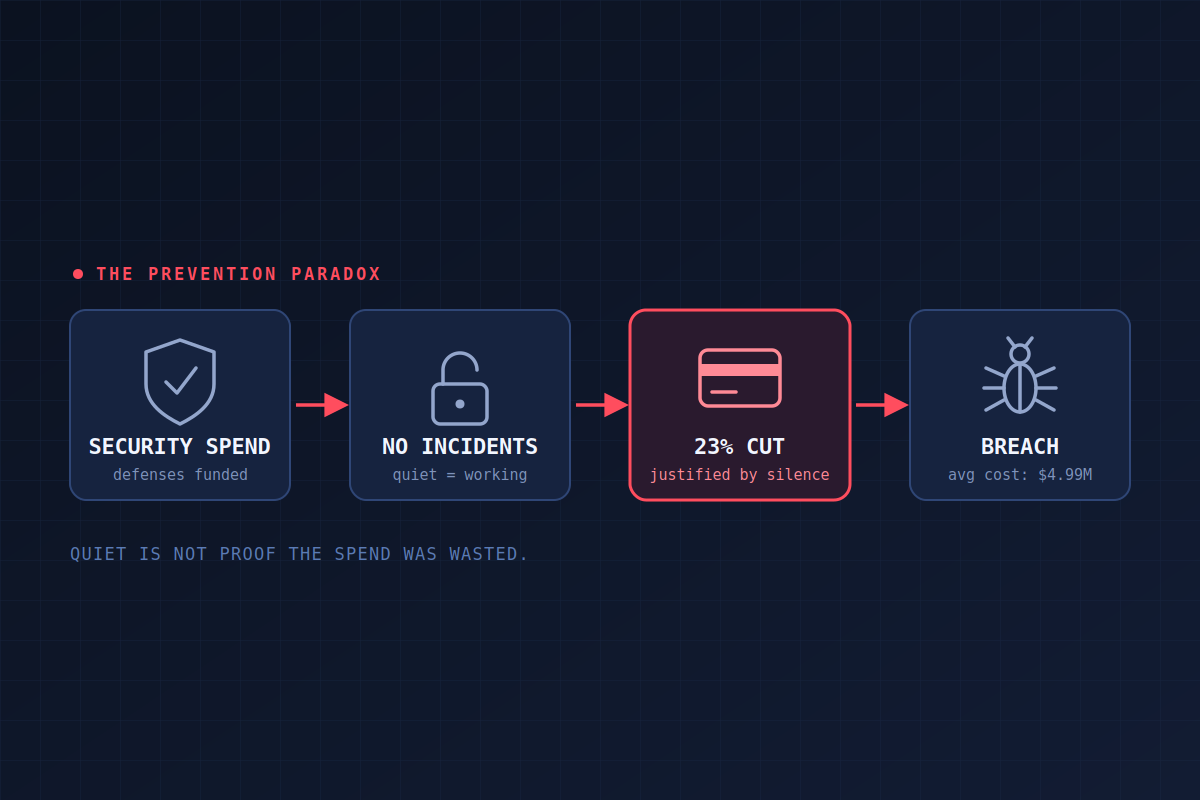
The new VP's logic: no major incidents, so we must be overspending on security. Here's the memo that answers with numbers instead of pleading. Simulated scenario: This post is based on a hypothetical assignment from a cybersecurity course. The VP, the company, and the...
STRIDE turns cybersecurity's defensive principles into six threat categories: spoofing, tampering, repudiation, information disclosure, denial of service, and elevation of privilege. Developed at Microsoft in 1999, it gives teams a systematic way to ask what can go wrong and build fixes from the start.
Most incident response ends when the threat is contained. F3EAD treats that as the halfway point. While researching intelligence cycles, I came across F3EAD. It was initially developed for military special operations, where intelligence drives kinetic action. The cybersecurity...
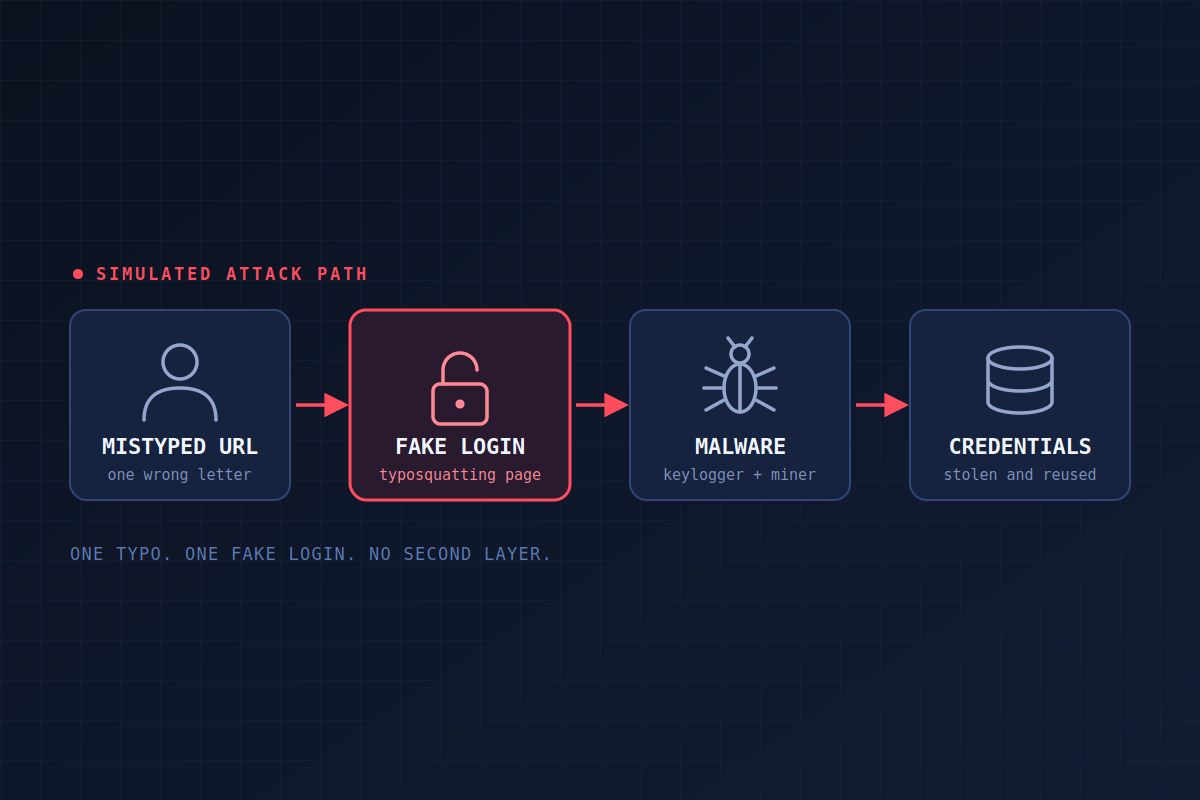
A single typo in a web address was enough to put credential-stealing malware on a small café's computers. Here's the cleanup, and the layered defenses that would have stopped it. Simulated case study. TrendyCafe, its owner, and this incident are fictional, written as a class...
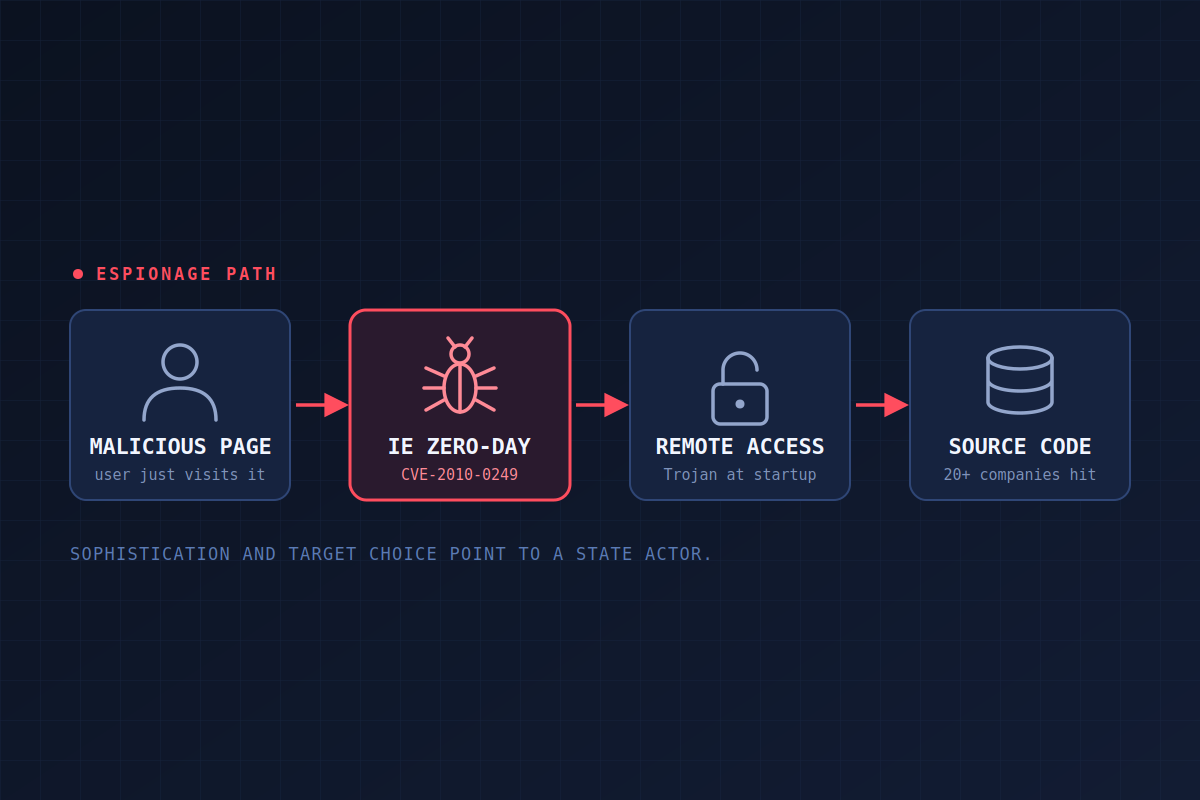
Two very different cyberattacks share the label of cyber espionage, but how an intruder gets in tells only half the story. The real proof of state involvement sits in the targets they choose and what they do once they are inside.